Positive Parenting Tips Gentle Guides for Tantrums, Focus & Sleep
Home
Parenting

Parenting brings meaningful moments, but it also comes with questions that do not always have simple answers. How do you handle a public tantrum without yelling? What can you do when your child refuses to cooperate? How can you support better focus, understand strong emotions, or recognise when a behaviour needs professional attention?
The LitsLib Parenting hub offers practical, supportive guidance for these everyday challenges. Our positive parenting tips focus on understanding children's needs, setting appropriate boundaries, and responding with greater patience and confidence.
Here, you can explore a gentle parenting guide, learn how to handle tantrums, understand possible reasons behind anger, and discover strategies for attention, sleep routines, and childhood health awareness.
Every child is different, so no single approach works in every situation. Our aim is to help you understand the issue, consider practical next steps, and make informed decisions that suit your child's age and your family's circumstances.
Start with the topic that matters most to you today, and explore the guides that offer the most relevant support.
What You'll Find in Our Parenting Guides
The LitsLib Parenting section is organised around the questions parents commonly ask about children's behaviour, development, and wellbeing. Each topic offers a starting point for understanding a concern and exploring possible ways forward.
Behaviour and Emotions
Explore guidance on tantrums, stubborn behaviour, defiance, frustration, and anger. Learn how to respond calmly, communicate clear expectations, and understand what may be contributing to a child's behaviour.
Focus and Child Development
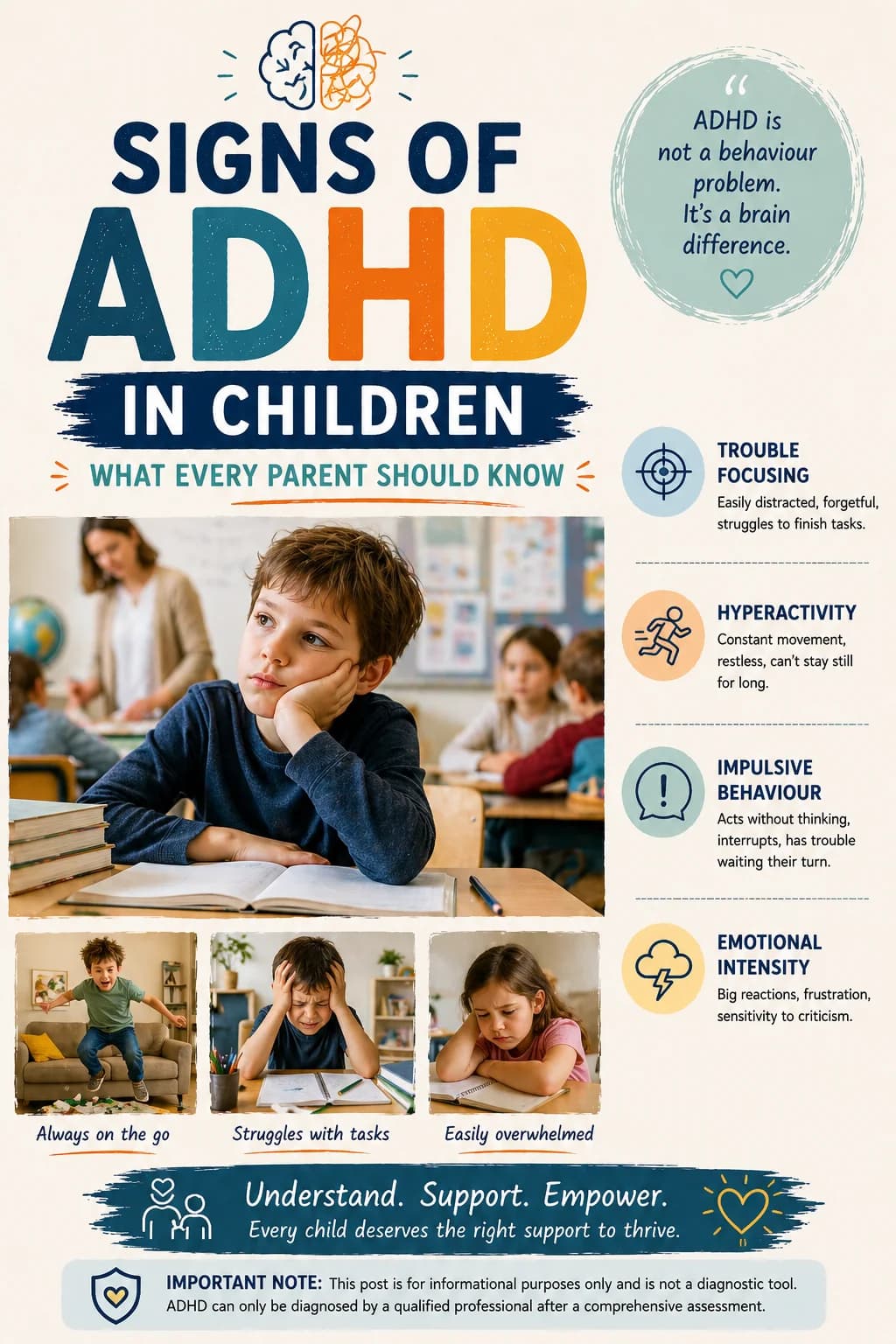
Discover child focus tips, ways to support attention during everyday activities, and information about possible signs of ADHD in young kids. Our guides also explain why persistent developmental concerns may deserve a conversation with a qualified professional.
Sleep Challenges
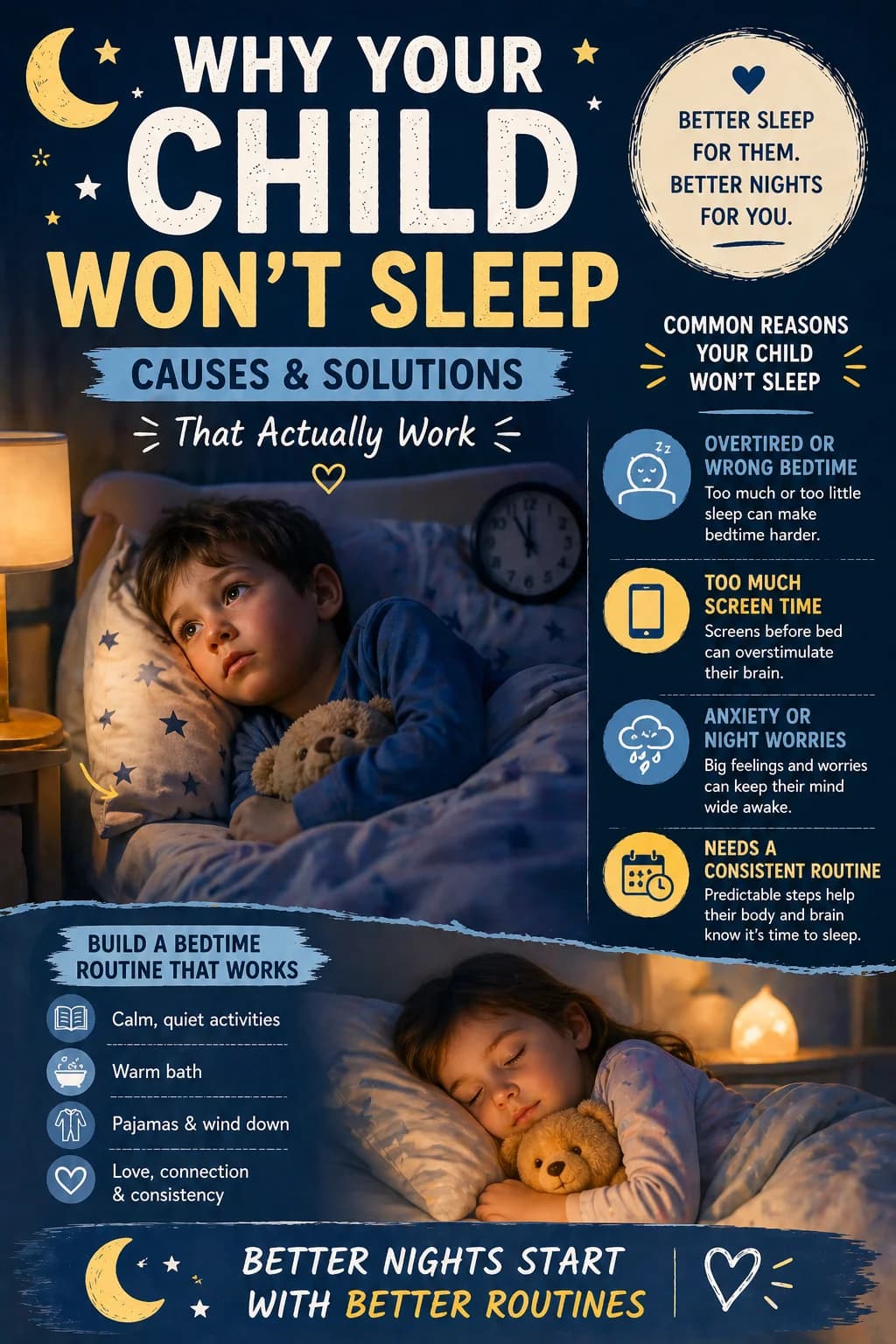
Learn about bedtime resistance, frequent night waking, and common factors that may affect children's sleep. Explore practical routine-building ideas while recognising when persistent sleep difficulties need further assessment.
Childhood Health Awareness
Find accessible information about common childhood illnesses, symptoms to watch for, and situations that may require medical attention. These resources help parents prepare useful questions for healthcare professionals without replacing individual medical advice.
Our Approach to Positive and Gentle Parenting
Positive parenting does not mean allowing every behaviour or avoiding boundaries. It means guiding children with warmth, consistency, and age-appropriate expectations while helping them learn how to manage their actions and emotions.
Our gentle parenting guide is built around a few practical principles.
Understand Behaviour Before Responding
A child's behaviour may reflect frustration, tiredness, difficulty communicating, or an unmet need. Understanding the context can help you choose a response that addresses the situation rather than escalating it.
This does not mean accepting unsafe or hurtful behaviour. Parents can acknowledge a child's feelings while still setting clear limits.
Use Calm, Clear Communication
Long arguments and repeated instructions can make difficult moments harder to manage. Short, specific directions and a steady tone can help children understand what is expected.
For example, instead of saying, “Stop making a mess,” you might say, “Please put the blocks back in the box.”
Keep Boundaries Consistent
Children benefit from knowing which limits apply and what happens when those limits are crossed. Consistency helps make expectations easier to understand, although the right approach will depend on the child's age and circumstances.
Focus on Progress, Not Perfection
No parent responds perfectly every time. When a difficult moment does not go as planned, take time to reflect, repair the interaction where appropriate, and consider what you might try differently next time.
These principles provide a foundation for the specific strategies explored throughout our parenting resources.
Popular Parenting Topics and Practical Guides
Whether you are dealing with challenging behaviour or looking for ways to support your child's development, start with the guide that best matches your concern.
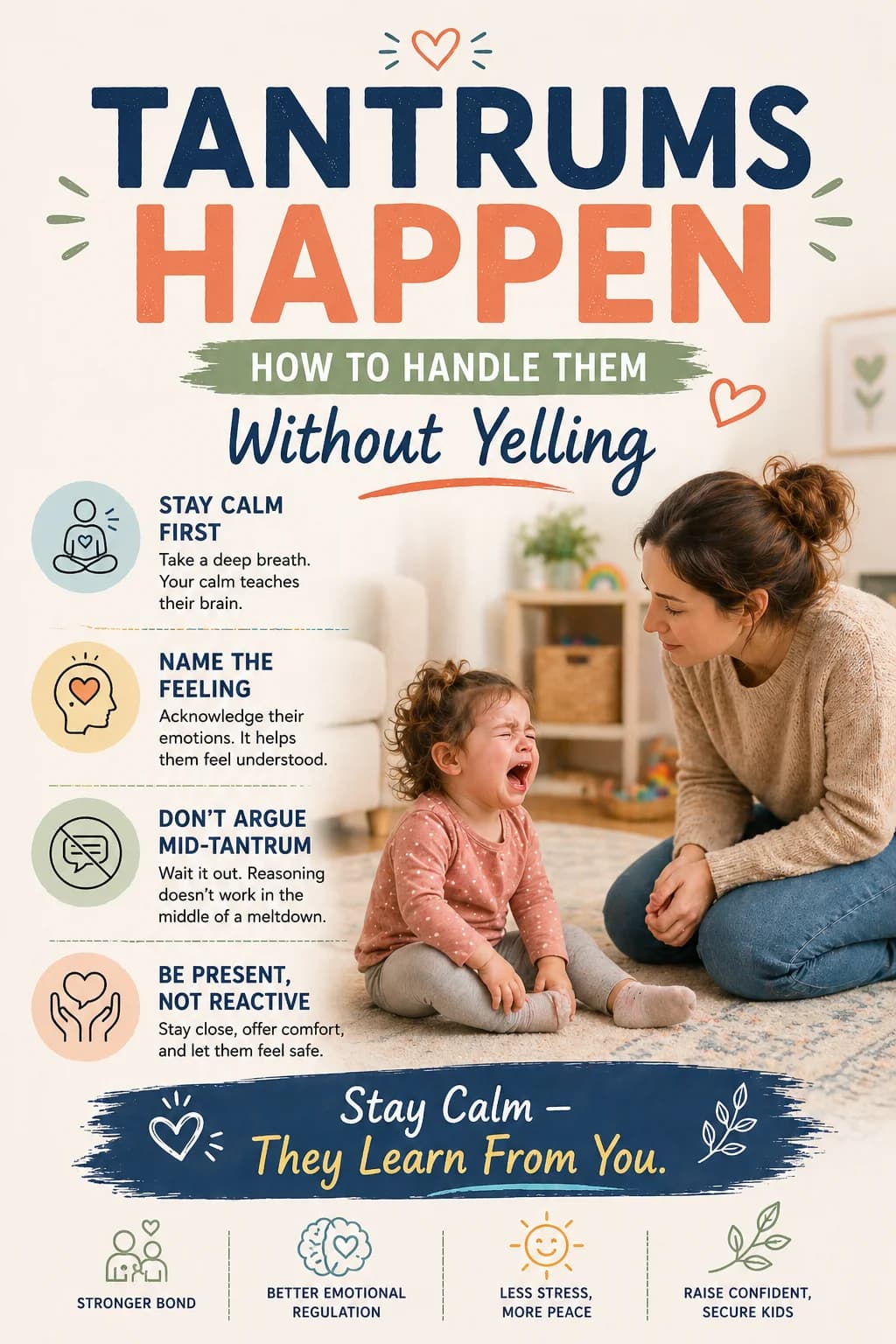
How to Handle Tantrums Without Yelling
Tantrums can be difficult to manage, especially when they happen in public or during a busy part of the day. A useful first step is to keep your response as calm and predictable as possible.
Our guide, How to Handle Tantrums Without Yelling, explores practical ways to respond to emotional outbursts, maintain boundaries, and help children settle after a difficult moment.
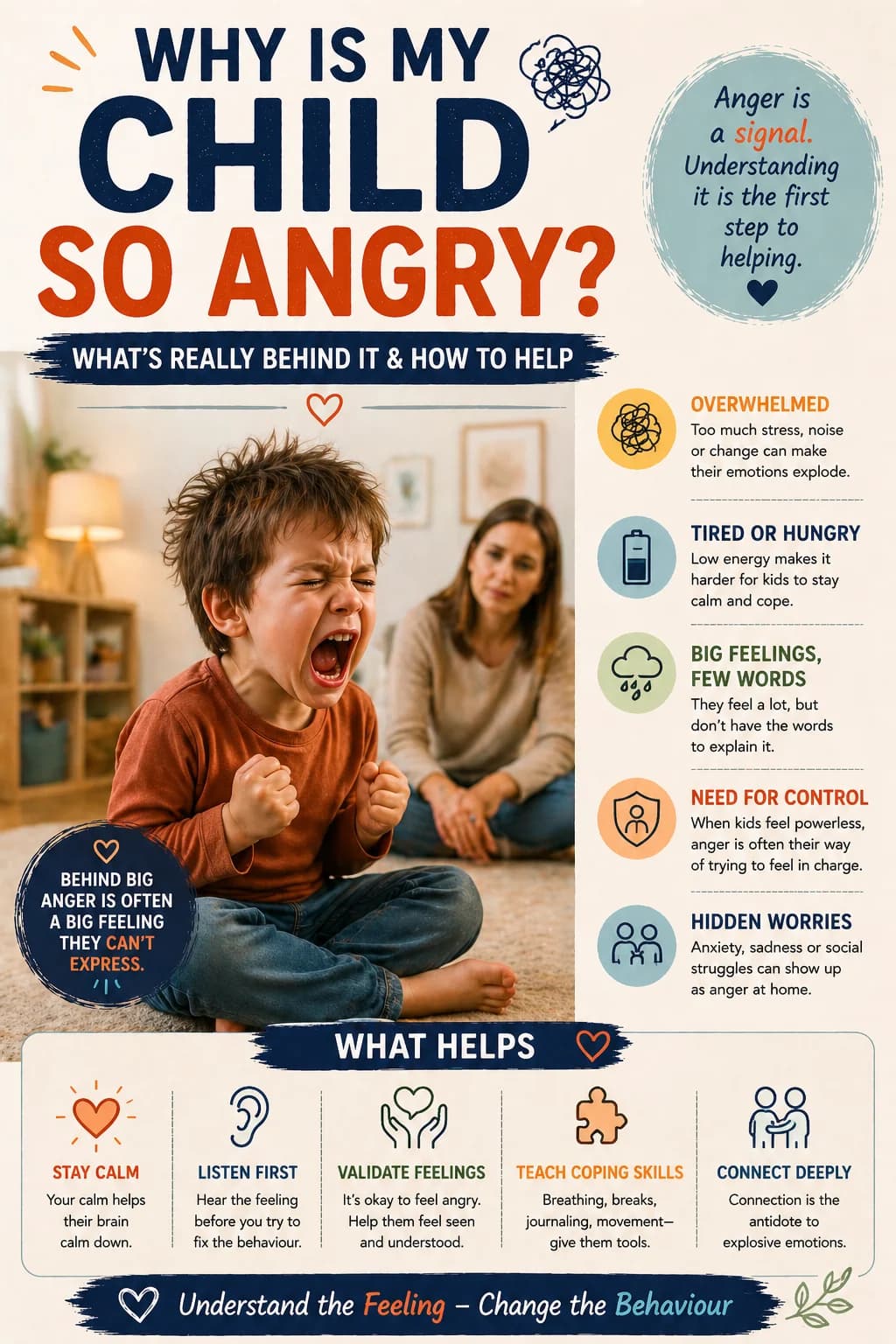
For a broader look at strong emotions, read Why Is My Child So Angry?. It explores possible contributors to anger and ways to respond without dismissing a child's feelings.
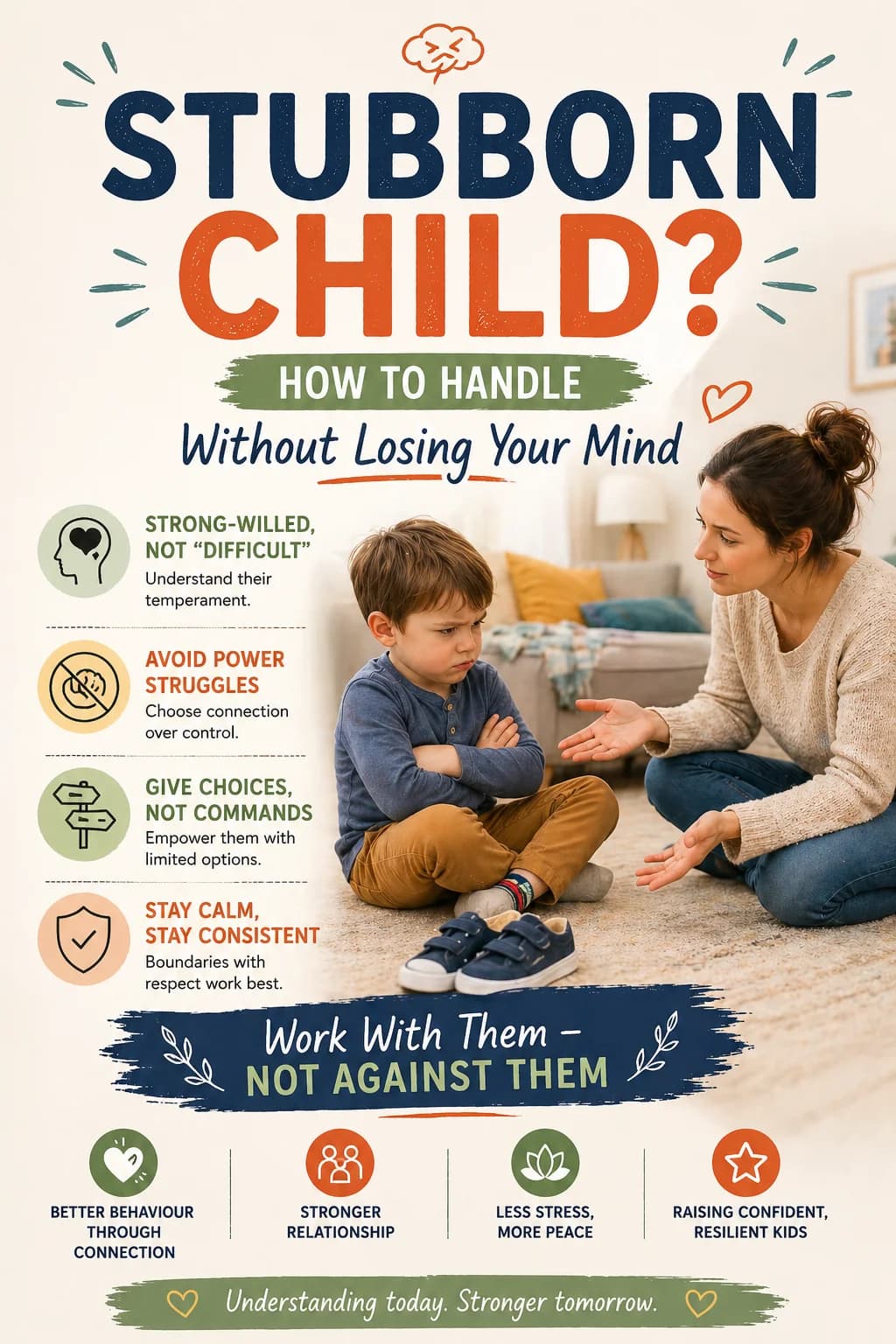
Handling a Stubborn Child Without Yelling
When a child repeatedly says no, refuses instructions, or insists on doing things their own way, everyday tasks can become exhausting. However, arguing over every disagreement may make cooperation harder.
How to Handle a Stubborn Child explores ways to set reasonable limits, offer appropriate choices, and encourage cooperation without relying on constant confrontation.
The aim is not to remove a child's independence. It is to help them learn how to express preferences while respecting necessary boundaries.
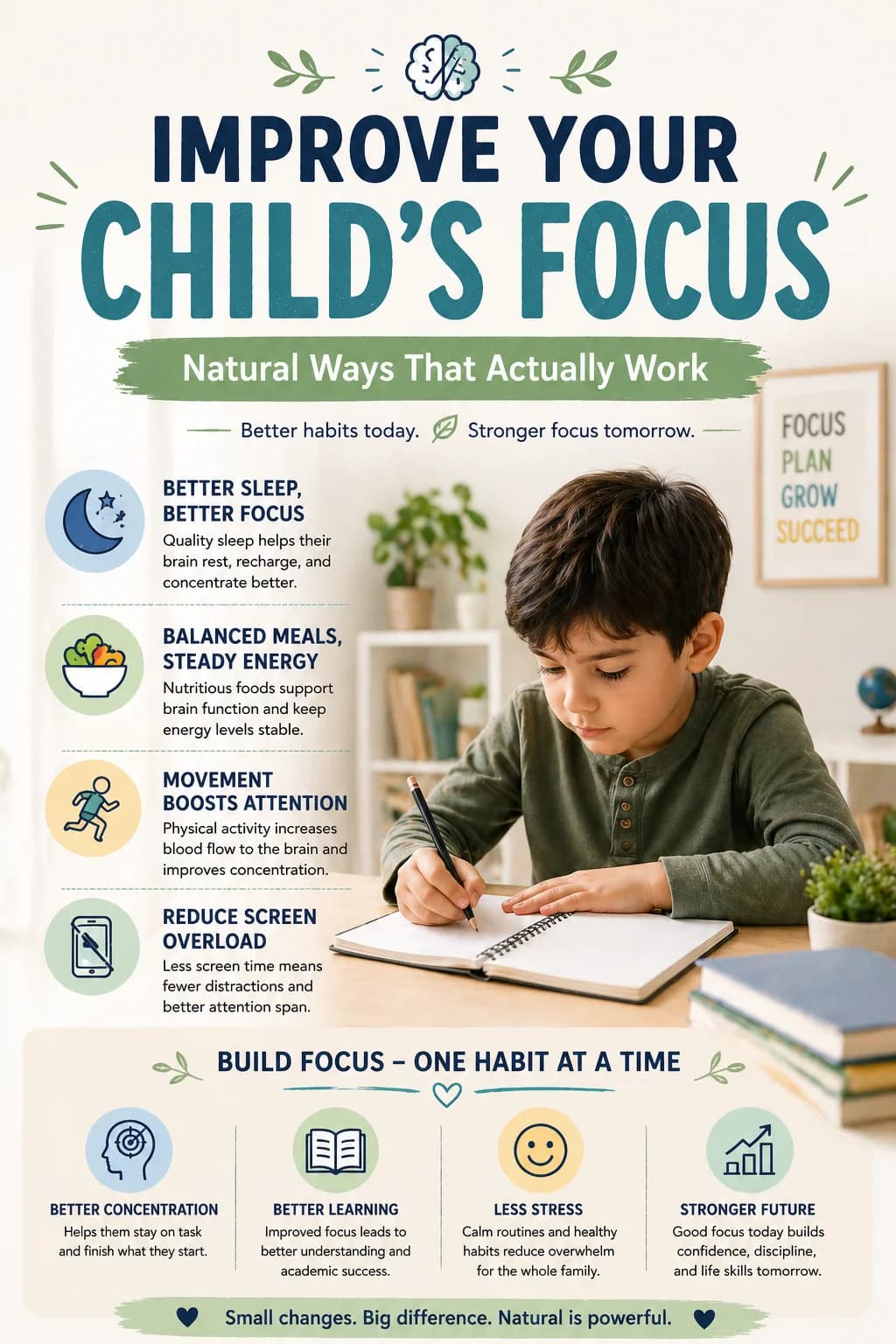
Child Focus Tips and Signs of ADHD
Children naturally vary in how long they can concentrate. Their attention may depend on their age, interest in an activity, environment, and other individual factors.
How to Improve Your Child's Focus Naturally explores everyday ways to support attention, including reducing unnecessary distractions, giving clear instructions, and breaking activities into manageable steps.
If attention difficulties are persistent or interfere with learning and daily life, you may also want to read Signs of ADHD in Children.
Occasional distraction alone does not establish ADHD. A qualified healthcare professional can assess ongoing concerns in context, including how symptoms appear across different settings.
Understanding Children's Sleep Challenges
Sleep difficulties can have several contributing factors, including routines, environmental conditions, changes in schedule, and health concerns. Understanding the pattern can help parents decide which next steps may be appropriate.
Our guide, Why Your Child Won't Sleep, explores possible reasons for bedtime resistance and disrupted sleep, along with practical considerations for building a consistent routine.
If sleep problems continue, significantly affect daytime functioning, or occur alongside concerning symptoms, seek advice from a qualified healthcare professional.
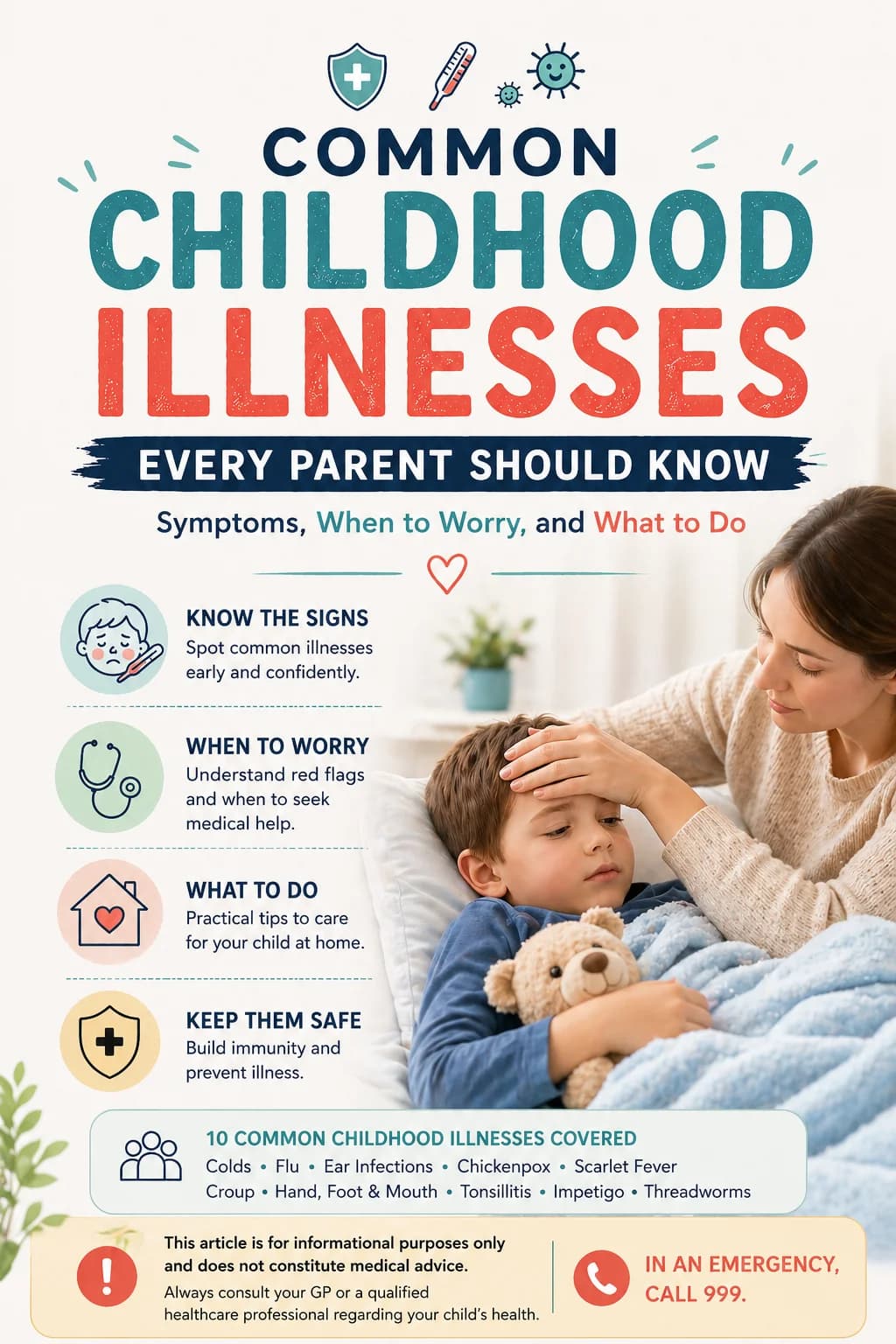
Common Childhood Illnesses
Parents often need clear information about symptoms, when to monitor a child, and when to seek medical advice.
Common Childhood Illnesses Every Parent Should Know provides a starting point for learning about common health concerns and recognising situations that may need professional assessment.
For babies with fever, children experiencing difficulty breathing, signs of significant dehydration, unusual drowsiness, or other severe symptoms, seek prompt medical care rather than relying on online guidance.
New to Positive Parenting?
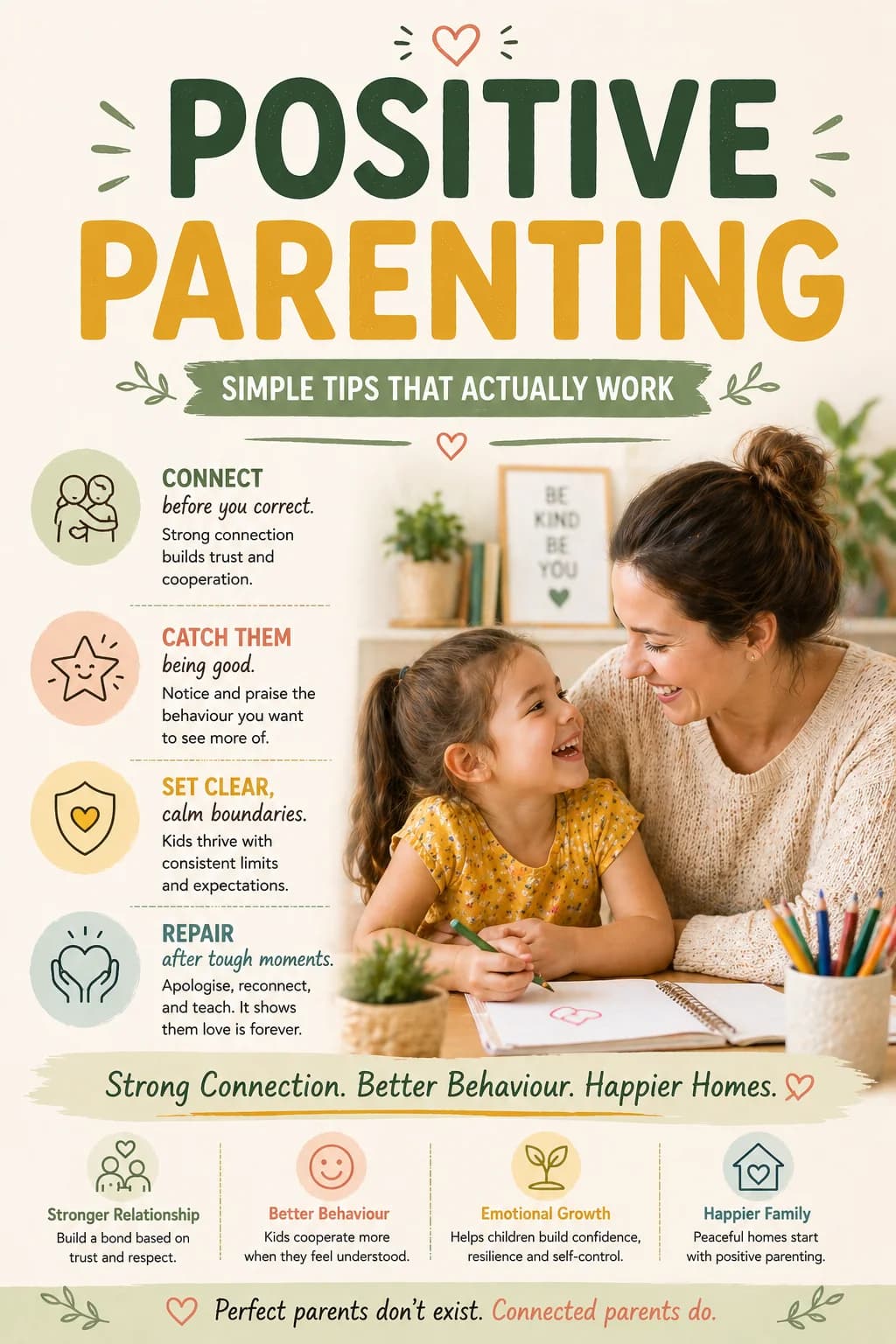
If you want to build a foundation before exploring individual challenges, start with Positive Parenting Tips That Actually Work and our Gentle Parenting Guide.
These topics introduce the principles behind calm communication, consistent boundaries, and supportive responses to children's behaviour.
Calm Parenting Techniques to Practise Every Day
Positive parenting is often built through small, repeatable actions rather than one perfect response. The following techniques can help you approach difficult moments more thoughtfully.
Pause Before Reacting
When frustration rises, take a brief pause if the situation is safe. A moment to collect your thoughts can help you respond more deliberately instead of reacting immediately.
Acknowledge Feelings While Maintaining Limits
You can recognise a child's disappointment without changing every decision. For example: “I know you wanted more screen time. Screen time is finished for today.”
This approach communicates understanding while keeping the boundary clear.
Give Specific Instructions
Use simple language that tells children what they should do next. Clear instructions are often easier to follow than general statements or several requests delivered at once.
Offer Choices Where Appropriate
Limited choices can give children some control without removing necessary boundaries. For example, you might ask whether they would like to put away their toys before or after choosing tomorrow's clothes.
Offer choices only when both options are acceptable to you.
Repair Difficult Interactions
If you lose your temper, acknowledge it and apologise when appropriate. You can still maintain the original boundary while taking responsibility for the way you communicated it.
These techniques are starting points, not guaranteed solutions. Adjust them to your child's developmental stage, temperament, and individual needs.
When to Seek Professional Support
Parenting guides can provide information and practical ideas, but some concerns require individual assessment.
Consider contacting a paediatrician, family doctor, or qualified child-development professional when:
• Behaviour, anger, or attention difficulties persist and significantly affect everyday life.
• Concerns about attention or activity levels appear across multiple settings, such as home and school.
• Sleep difficulties continue or affect your child's daytime wellbeing.
• Your child loses previously acquired skills or shows a significant developmental change.
• Emotional outbursts create a risk of injury or make it difficult to keep your child or others safe.
• You are concerned about symptoms of an illness or are unsure whether medical care is needed.
Seek urgent medical care for serious symptoms, including difficulty breathing, severe dehydration, or reduced responsiveness.
For developmental concerns, including possible ADHD, a professional assessment is more reliable than comparing a child with a checklist online. Early advice can help families understand their options and identify suitable support.
Frequently Asked Questions
What are positive parenting tips?
Positive parenting tips are practical strategies that encourage cooperation, communication, and learning through supportive guidance and consistent boundaries. They aim to help parents respond to children's behaviour without relying on fear or harsh punishment.
How can I handle tantrums without yelling?
Try to remain calm, use brief language, acknowledge the child's feelings, and maintain appropriate limits. Make safety the priority during an intense outburst. The best response depends on the child's age, the situation, and what may be contributing to the behaviour.
How do I handle a stubborn child without yelling?
Offer reasonable choices, explain expectations clearly, and avoid turning every disagreement into a prolonged argument. Keep necessary boundaries consistent while allowing independence where appropriate.
What are common signs of ADHD in young kids?
Possible signs include persistent difficulties with attention, impulsivity, or hyperactivity that are more pronounced than expected for the child's developmental level and interfere with daily functioning. Similar behaviours can have other explanations, so only a qualified professional can assess whether ADHD is present.
Why is my child so angry?
Anger may be associated with frustration, difficulty expressing feelings, changes in routine, stress, or other individual circumstances. Look for patterns and consider whether the behaviour is persistent or affecting daily life. Seek professional advice when concerns continue or intensify.
Can parenting blogs replace professional advice?
No. Parenting guides provide general educational information and practical suggestions. They cannot diagnose medical or developmental conditions or replace advice tailored to your child by a qualified professional.
Where should I start on LitsLib?
Begin with our Positive Parenting Tips That Actually Work article or the Gentle Parenting Guide. You can then explore the specific guides that match your current concern.
Keep Exploring the LitsLib Parenting Hub
Every family faces different challenges, and finding a useful next step can begin with understanding the situation more clearly.
Explore our positive parenting tips, gentle parenting guide, and practical resources on tantrums, focus, anger, sleep, and childhood health. Choose the topic that fits your needs, apply suggestions thoughtfully, and seek professional support whenever a concern requires individual assessment.
For questions or suggestions for future guides, visit the LitsLib Contact page.
For a separate reading-focused resource, you can also explore our bedtime stories library and Little Blogs. The Parenting hub remains focused on behaviour, development, and wellbeing, while Little Blogs is dedicated to stories and reading.